Introduction
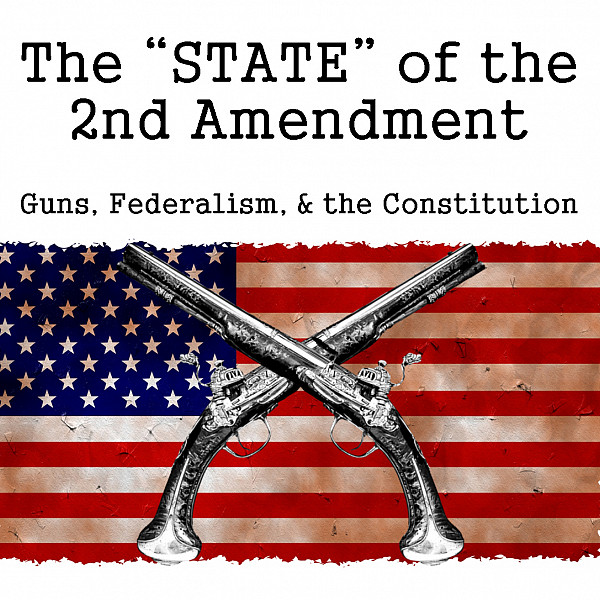
The Second Amendment — a brief sentence in the U.S. Constitution — has long been at the heart of American identity, legal debate, and political activism. To millions of gun owners and advocates, it represents a core civil right. To others, it underscores the need for sensible regulation. But love it or question it, the Second Amendment’s role in modern America cannot be ignored.
Below, we explore what the Second Amendment means today, how key court decisions like New York State Rifle & Pistol Association v. Bruen have reshaped its interpretation, and the role of gun rights advocacy in defending and advancing firearm freedoms.
What the Second Amendment Says and Why It Matters
The Second Amendment to the United States Constitution states:
“A well regulated Militia, being necessary to the security of a free State, the right of the people to keep and bear Arms, shall not be infringed.”
Though just 27 words long, its meaning has been debated for generations.
At its core, the Amendment protects a fundamental right — historically linked to the ability of citizens to defend themselves and resist tyranny. Over the years, the interpretation of this text shifted significantly before being clarified by the U.S. Supreme Court in modern jurisprudence.
Landmark Supreme Court Cases That Shaped Second Amendment Law
• District of Columbia v. Heller (2008)
Long before Heller, courts were divided over whether the Second Amendment protected an individual right. In 2008, the Supreme Court delivered a watershed ruling in District of Columbia v. Heller, holding that the Second Amendment protects an individual right to possess firearms for lawful purposes, such as self-defense within the home.
This decision overturned a total handgun ban in Washington, D.C. and firmly established that the right to keep and bear arms is not tethered solely to militia service.
• McDonald v. Chicago (2010)
In McDonald v. Chicago, the Supreme Court extended the Heller decision to the states. Using the Fourteenth Amendment’s Due Process Clause, the Court ensured that state and local governments are also bound to uphold the individual right recognized in Heller.
• New York State Rifle & Pistol Association v. Bruen (2022)
One of the most consequential Second Amendment decisions in recent history is New York State Rifle & Pistol Association v. Bruen. In June 2022, the Supreme Court struck down New York’s century-old “proper cause” requirement for concealed carry permits — which forced applicants to show a special need for self-defense beyond that of the average citizen — as unconstitutional.
The Court held that the Second Amendment protects the right to carry firearms in public for self-defense and invalidated laws that grant licensing officials broad discretion over who can exercise that right.
Importantly, Bruen also established a new constitutional test: firearm regulations must be consistent with the nation’s historical tradition of firearm regulation. Now, when courts review gun laws, they must assess whether those laws align with historical regulations at the time the Constitution was adopted.
This historical test has reshaped how lower courts approach gun legislation — sometimes leading to surprising outcomes and vigorous legal debate.
Why Bruen Is So Impactful
Bruen did two critical things for gun rights advocacy:
-
Expanded the scope of the Second Amendment outside the home — affirming that public carry is protected.
-
Created a new judicial framework that places the burden on the government to justify firearm restrictions by reference to historical precedent.
In practical terms, Bruen doesn’t abolish all gun laws, but it significantly raises the standard for defending modern restrictions that are inconsistent with historical traditions.
The Role of Gun Rights Organizations
Interpretation and defense of the Second Amendment don’t occur in a vacuum; gun rights advocacy groups play a pivotal role in shaping public policy, challenging laws in court, and educating the public. These organizations help mobilize support, provide legal defense funds, and bring lawsuits that test constitutional limits.
Examples include:
-
The National Rifle Association (NRA) — perhaps the most well-known gun rights advocacy group, involved in litigation, public policy, and education.
-
Gun Owners of America (GOA) and the Gun Owners Foundation — active in litigation and constitutional advocacy, including legal challenges to rules affecting firearm use.
-
Smaller regional groups, grassroots coalitions, and Second Amendment legal defense organizations that work nationwide.
These organizations often file amicus briefs (friend-of-the-court filings) in Supreme Court and appellate cases, fund legal challenges to restrictive laws, and engage lawmakers at federal and state levels.
Navigating the Debate: Rights and Responsibilities
The Second Amendment remains one of the most actively litigated and politically charged parts of the Constitution. Decisions like Heller, McDonald, and Bruen have reinforced the individual right to keep and bear arms — but they have also illuminated the ongoing tension over how that right intersects with public safety concerns.
Importantly, while courts protect constitutional rights, they also recognize that those rights are subject to some regulation — including prohibitions on certain types of weapons and licensing requirements judged consistent with history.
Advocacy groups, lawmakers, and citizens continue to debate where the line should be drawn, making Second Amendment advocacy a vibrant and evolving part of American civic life.
Final word for RedZoneLTC readers
Whether you are a seasoned gun owner, a legal scholar, or a concerned citizen, understanding the Second Amendment and the forces that shape its interpretation is vital. Landmark decisions like Bruen don’t just influence who can carry a firearm — they inform how the Constitution is interpreted in the 21st century.
Gun rights organizations are more than lobbyists. They are participants in ongoing constitutional dialogue, ensuring that one of America’s foundational rights remains part of the national conversation.
At new.redzoneltc.com/, our mission is to provide practical education, legal clarity, and real-world readiness — because responsible protection begins with informed decisions. Our comprehensive training programs are designed to equip you with the knowledge, skills, and mindset necessary to handle your firearm responsibly and confidently. Whether you’re seeking basic safety knowledge or advanced tactical training, we are committed to your safety and success.
If you’re ready to learn more about Texas License to Carry training or want guidance on getting started, we’re here to help.
https://www.redzoneltc.com If you would like to sign up for the NRA today, please register here at: https://membership.nra.org/recruiters/join/XI045703