Introduction
For many Americans, choosing to carry a concealed firearm is about personal safety, responsibility, and exercising a constitutional right. But if you’re new to concealed carry, the process can feel overwhelming. Questions about permits, training, equipment, and legal responsibilities are common.
This beginner’s guide walks through the essential steps for getting started with concealed carry, helping new gun owners understand the process and build the habits needed to carry responsibly.
Understanding Concealed Carry
Concealed carry refers to carrying a handgun in a manner that is not visible to others, typically under clothing or inside a bag or holster. The laws governing concealed carry vary widely by state, but most states allow some form of lawful concealed carry through either:
-
License-to-carry (LTC) or concealed carry permits
-
Permitless carry (sometimes called constitutional carry)
Even in states with permitless carry, many individuals still pursue a license because it can offer benefits such as reciprocity with other states and structured firearms education.
Understanding your state’s laws is the first step before you begin carrying.
Step 1: Learn Your State’s Licensing Requirements
If your state requires a concealed carry license, the application process typically includes several components:
Eligibility Requirements
Most states require applicants to:
-
Be at least 18 or 21 years old
-
Be legally allowed to possess a firearm under federal and state law
-
Pass a background check
-
Complete an approved firearms training course (in some states)
Application Process
While each state differs, the process usually includes:
-
Completing an application with your state or county authority
-
Submitting fingerprints and identification
-
Paying an application fee
-
Waiting for approval
Processing times can vary from a few days to several months, depending on the state.
Step 2: Take a Quality Firearms Training Course
Training is one of the most important steps for new concealed carriers. Even if your state does not require it, professional instruction helps build the knowledge and skills necessary for responsible carry.
A good beginner course typically covers:
-
Firearm safety rules
-
Basic handgun operation
-
Safe storage practices
-
Use-of-force laws
-
Situational awareness
-
Defensive mindset
Training also helps new shooters gain confidence in handling and operating their firearm safely.
Step 3: Choose the Right Handgun for Concealed Carry
There is no single “perfect” concealed carry firearm. The right choice depends on comfort, reliability, and ease of use.
Many beginners consider the following factors:
-
Size and weight – Smaller firearms are easier to conceal but may have more recoil.
-
Capacity – How many rounds the firearm holds.
-
Ergonomics – How the firearm fits your hand.
-
Reliability – Proven models from reputable manufacturers.
Trying different firearms at a range that offers rentals can help determine what works best for you before purchasing.
Step 4: Invest in a Quality Holster
A holster is just as important as the firearm itself. A good holster should:
-
Completely cover the trigger guard
-
Hold the firearm securely
-
Allow consistent access and re-holstering
-
Fit both the firearm and your carry style
Common concealed carry positions include:
-
Inside-the-waistband (IWB)
-
Appendix carry
-
Outside-the-waistband (OWB)
-
Pocket carry (for small firearms)
Comfort and concealment will vary depending on clothing, body type, and lifestyle.
Step 5: Understand Where You Can and Cannot Carry
Concealed carry laws don’t just determine who can carry—they also define where firearms are prohibited.
Common restricted locations may include:
-
Schools and school zones
-
Government buildings
-
Airports and secure federal areas
-
Bars or establishments serving alcohol
-
Private property with posted restrictions
Because laws differ by state, it is essential to review your local regulations carefully before carrying.
Step 6: Practice Regularly
Owning a firearm for self-defense carries a responsibility to maintain proficiency. Regular practice helps improve:
-
Accuracy
-
Safe firearm handling
-
Drawing and presentation
-
Malfunction clearing
-
Situational awareness
Training should include both range practice and ongoing education through defensive shooting classes or seminars.
Responsible carriers treat firearms proficiency as a skill that must be maintained, not something learned once.
Step 7: Develop a Defensive Mindset
Carrying a firearm is about far more than equipment. Responsible concealed carriers focus on avoiding danger whenever possible.
Key principles include:
-
Maintaining situational awareness
-
Avoiding unnecessary confrontations
-
Understanding use-of-force laws
-
Recognizing that a firearm is a last-resort defensive tool
The goal of concealed carry is not to seek conflict, but to be prepared to protect yourself or others if necessary.
Final Thoughts for New Concealed Carriers
Becoming a responsible concealed carrier is a journey that combines legal knowledge, practical training, and disciplined habits. By taking the time to understand the laws, investing in quality training, and practicing regularly, new carriers can build confidence and competence.
For those just starting out, remember that responsible firearm ownership is built on three core principles:
Safety. Training. Responsibility.
At RedZone LTC, our mission is to provide practical education, legal clarity, and real-world readiness — because responsible protection begins with informed decisions. Our comprehensive training programs are designed to equip you with the knowledge, skills, and mindset necessary to handle your firearm responsibly and confidently. Whether you’re seeking basic safety knowledge or advanced tactical training, we are committed to your safety and success.
If you’re ready to learn more about Texas License to Carry training or want guidance on getting started, we’re here to help.
Whether you are a seasoned gun owner, a legal scholar, or a concerned citizen, understanding the Second Amendment and the forces that shape its interpretation is vital. Landmark decisions like Bruen don’t just influence who can carry a firearm — they inform how the Constitution is interpreted in the 21st century.
Gun rights organizations are more than lobbyists. They are participants in ongoing constitutional dialogue, ensuring that one of America’s foundational rights remains part of the national conversation.
At new.redzoneltc.com/, our mission is to provide practical education, legal clarity, and real-world readiness — because responsible protection begins with informed decisions. Our comprehensive training programs are designed to equip you with the knowledge, skills, and mindset necessary to handle your firearm responsibly and confidently. Whether you’re seeking basic safety knowledge or advanced tactical training, we are committed to your safety and success.
If you’re ready to learn more about Texas License to Carry training or want guidance on getting started, we’re here to help.
https://www.redzoneltc.com If you would like to sign up for the NRA today, please register here at: https://membership.nra.org/recruiters/join/XI045703 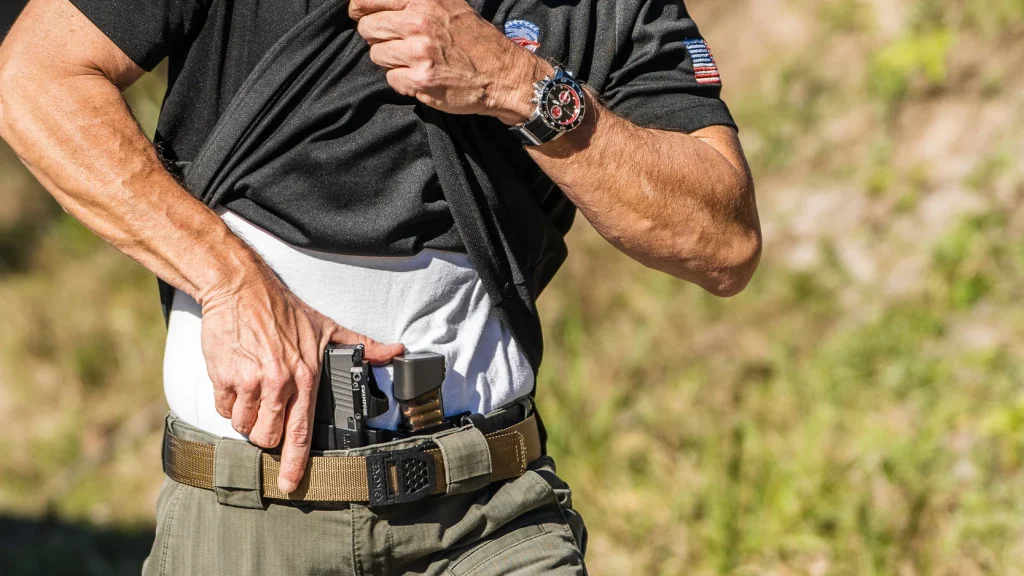 Sign-Up Today