Understanding State Reciprocity for License to Carry (LTC): What You Need to Know
For responsible gun owners, obtaining a License to Carry (LTC) is a big step in exercising your Second Amendment rights. But what happens when you cross state lines? That’s where state reciprocity comes into play. If you’re traveling or relocating, understanding LTC reciprocity can help you stay legal and protected while carrying your firearm.
What Is LTC Reciprocity?
Reciprocity refers to the mutual agreement between states to honor each other’s handgun licenses or permits. For example, if you have an LTC from Texas, you can legally carry in states that recognize Texas permits—provided you follow the host state’s laws.
Each state sets its own rules about which out-of-state licenses it accepts, and those agreements can change. So, even if two states are neighbors, they may not recognize each other’s permits.
Why Reciprocity Matters
1. Travelers: If you carry while traveling, knowing reciprocity laws helps you avoid legal issues in unfamiliar states.
2. Concealed Carry Holders: Not every state allows open carry. Some require a permit even for concealed carry.
3. Peace of Mind: You can carry confidently and legally in reciprocating states, provided you know and follow their firearm laws.
How to Check Reciprocity
To stay compliant:
• Visit your state’s Department of Public Safety (DPS) or firearm licensing website.
• Use official reciprocity maps or tools to see where your LTC is valid.
• Check each state’s firearm laws, especially regarding prohibited locations, magazine limits, and duty to inform law enforcement.
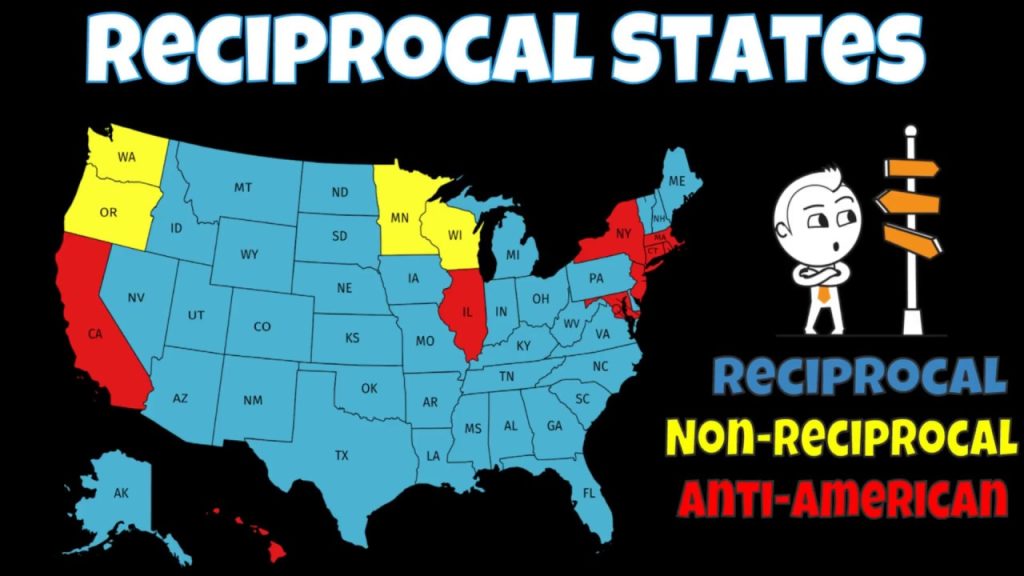
For example, Texas LTC holders enjoy broad reciprocity—over 30 states recognize a Texas LTC. However, some states like California, New York, and Illinois do not honor any out-of-state permits.
Important Tips When Traveling with a Firearm
• Know the laws of each state you’ll enter, not just your destination.
• Carry your LTC and valid photo ID at all times.
• Transport firearms properly—especially through non-reciprocal states (e.g., locked container, separate from ammo).
• Be aware of local restrictions, such as magazine capacity or duty to disclose.
States with No Reciprocity
Some states have strict gun laws and don’t recognize any out-of-state LTCs. If you’re traveling to places like:
• California
• New York
• New Jersey
• Hawaii
You must comply with their laws, which may prohibit carrying a handgun altogether without a local permit.
The Bottom Line
State reciprocity for LTCs is a powerful benefit—but only when you know how to use it responsibly. Before crossing state lines with a firearm, do your homework. Laws can change frequently, so always verify the most current reciprocity agreements and carry laws.
When in doubt, don’t carry. Legal peace of mind is always better than risking a felony charge.
Pro Tip
Pro Tip: Use trusted websites like the Texas DPS LTC Reciprocity Page or the U.S. Concealed Carry Association Reciprocity Map to check updated information before traveling.
Conclusion
Obtaining an LTC in Texas opens up significant opportunities for those who wish to exercise their Second Amendment rights. By meeting the eligibility requirements, completing the necessary training, and understanding the legal landscape, you can responsibly carry a handgun and take advantage of the benefits that come with having an LTC.
Always remember that with the right to carry comes the responsibility to do so safely and legally. Stay informed, stay safe, and respect the power of the firearm you carry.
Contact RedZone LTC Today to find out the bast path for your 18-20 year old(s) to get their LTC in a safe and friendly environment. We take safety and education in using firearms as the most critical aspects of getting your LTC.
Stay informed. Stay legal. Stay safe.