Introduction
Firearms are an integral part of many households across the United States, whether for hunting, sport shooting, or personal protection. While responsible gun ownership is a cornerstone of these communities, the presence of firearms in homes where children live requires special consideration and vigilance. Ensuring the safety of children around firearms is not only a legal and ethical responsibility but also a crucial component of fostering a culture of respect and responsibility around guns. This blog explores the multifaceted relationship between children and firearms, focusing on safety measures, education, and the role of parents in preventing accidents.
Understanding the Risks
The statistics surrounding children and firearms underscore the importance of this issue. According to the Centers for Disease Control and Prevention (CDC), firearms are one of the leading causes of injury-related deaths among children and adolescents in the United States. Accidental shootings, suicides, and school shootings are tragic reminders of what can happen when guns are not properly stored or handled.
The risk is heightened when firearms are easily accessible, improperly stored, or not handled responsibly. Curious children, unaware of the potential dangers, may view firearms as toys, which can lead to devastating consequences. It is the responsibility of adults to ensure that children are educated about firearms and that they do not have unsupervised access to them.
Safety Measures for Firearm Owners
1. Secure Storage: The first and most critical step in preventing firearm accidents involving children is to ensure that all guns are stored securely. This means using gun safes, lockboxes, or other secure storage solutions. Firearms should be unloaded, and ammunition should be stored separately. Keys or combinations to these storage units should be kept in a location inaccessible to children.
2. Safety Devices: In addition to secure storage, firearm safety devices such as trigger locks and cable locks provide an additional layer of security. These devices prevent the firearm from being discharged, even if it is accessed.
3. Educating Family Members: Every member of the household, including children, should be educated about firearm safety. This includes understanding that firearms are not toys, never touching a firearm without adult supervision, and immediately notifying an adult if they come across a gun.
4. Routine Checks: Regularly checking the security of stored firearms ensures that no changes in household routines or the environment have compromised the safety measures in place.
The Role of Education
Education is a powerful tool in preventing firearm-related accidents. Children who understand the dangers associated with firearms and the importance of safety measures are less likely to engage in risky behaviors. Here are some steps to consider:
1. Age-Appropriate Discussions: The way you talk to a five-year-old about firearms will differ from how you address the subject with a teenager. Tailor the conversation to the child’s age, maturity, and ability to understand the gravity of the topic.
2. Utilize Safety Programs: Programs like the NRA’s Eddie Eagle GunSafe® program teach children the basics of firearm safety: “Stop, Don’t Touch, Run Away, Tell a Grown-Up.” These programs can be valuable resources for parents looking to educate their children in an engaging and age-appropriate manner.
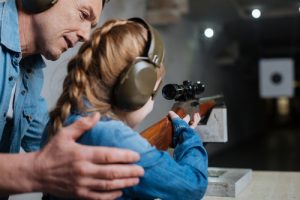
3. Modeling Responsible Behavior: Children learn by observing. Demonstrating responsible behavior around firearms—such as always pointing the muzzle in a safe direction, keeping your finger off the trigger until ready to shoot, and respecting the power of a firearm—reinforces the lessons you teach verbally.
4. Involving Them in the Process: For older children, involving them in the cleaning and maintenance of firearms (under strict supervision) can demystify the gun and emphasize the importance of responsible handling.
Legal Considerations
Gun owners are subject to both federal and state laws regarding the storage and accessibility of firearms in homes with children. In many states, there are Child Access Prevention (CAP) laws that impose criminal liability on adults who fail to secure firearms, resulting in a child gaining access and causing harm. Familiarizing yourself with the laws in your state and complying with them is not only a legal obligation but also a moral one.
Supporting Mental Health
In addition to physical safety measures, mental health is a critical component of preventing firearm-related incidents involving children and adolescents. Adolescents struggling with depression, anxiety, or other mental health issues may be at increased risk for suicide if they have access to firearms. Open communication, mental health support, and restricting access to firearms are essential steps in preventing these tragedies.
Final Thoughts
Creating a safe environment for children around firearms is a shared responsibility that involves secure storage, education, and open communication. By taking proactive steps, parents and guardians can prevent accidents and foster a culture of respect and responsibility around firearms.
Firearm ownership comes with significant responsibilities, and when children are involved, these responsibilities are even greater. By prioritizing safety, educating our children, and being vigilant in our practices, we can ensure that our homes remain safe environments for everyone.
Parents, caregivers, and community members all play a role in this endeavor. Together, we can reduce the risks and help protect our most vulnerable—our children—while still respecting the rights and responsibilities that come with gun ownership.
If you would like personalized firearms training for yourself and/or your children, please reach out to RedZone LTC. We can offer you a safe, friendly environment to learn about firearms safely.