Introduction
Carrying a concealed firearm is a significant responsibility, and one of the most crucial aspects of this responsibility is selecting the right holster. A good holster not only ensures that your firearm is easily accessible but also securely holds it in place and conceals it effectively. Here’s a guide to help you choose the right type of holster for concealed carry.
1. Understanding Your Needs
Before diving into the various types of holsters, it’s important to understand your specific needs:
– Comfort: Since you’ll be carrying your firearm for extended periods, comfort is paramount. Consider your daily activities, body shape, and the weight of your firearm.
– Concealment: The holster should allow for effective concealment under your usual attire. Think about where you plan to carry your firearm and what type of clothing you typically wear.
– Accessibility: The holster should provide quick and easy access to your firearm. The ability to draw your weapon swiftly can be a critical factor in an emergency situation.
– Retention: The holster must securely hold your firearm in place, reducing the risk of accidental discharge or loss.
2. Types of Holsters
There are several types of holsters to consider, each with its advantages and disadvantages:
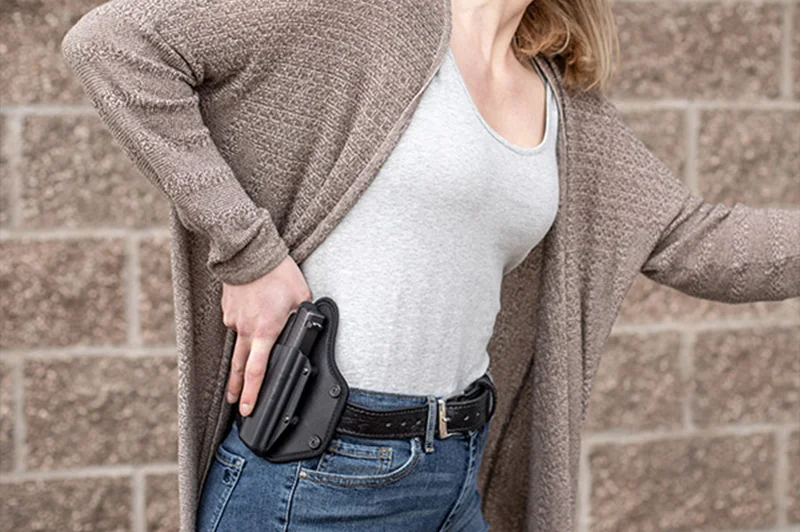
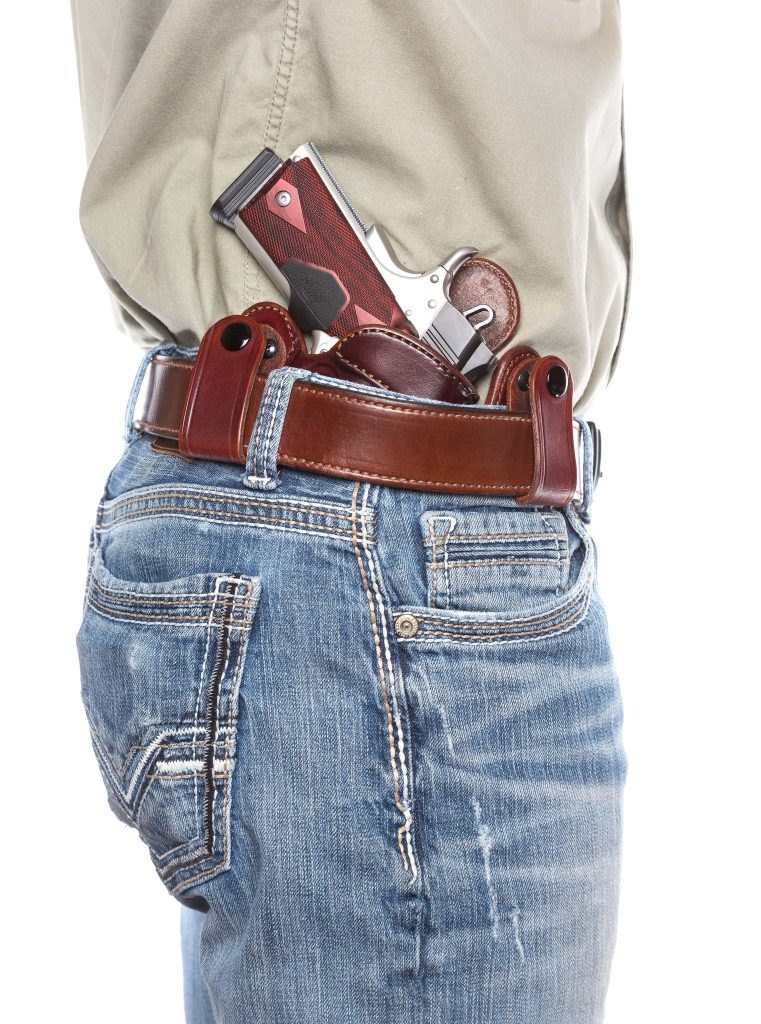
Inside-the-Waistband (IWB) Holster
Pros:
– Offers excellent concealment since the firearm is tucked inside the waistband.
– Provides a snug fit against the body, making it harder for others to detect.
– Versatile for different carry positions, including appendix, hip, or small of the back.
Cons:
– Can be uncomfortable for extended wear, especially if sitting for long periods.
– Requires pants with a larger waist size for comfort.
Best For: Those who prioritize concealment and are willing to sacrifice some comfort for it.
Outside-the-Waistband (OWB) Holster
Pros:
– Generally more comfortable than IWB holsters due to less pressure against the body.
– Easier to access, allowing for a quicker draw.
Cons:
– More challenging to conceal, especially in warmer climates where lighter clothing is worn.
Best For: Those who prioritize comfort and quick access, and can wear outer garments like jackets or loose shirts to conceal the firearm.
Appendix Carry Holster
Pros:
– Allows for a quick and natural draw.
– Can be very concealable, depending on body type and clothing.
Cons:
– Can be uncomfortable, especially when sitting.
– Requires careful attention to safety during the draw and reholstering due to the position near vital organs.
Best For: Experienced carriers who prioritize quick access and are comfortable with the risks associated with this position.
Shoulder Holster
Pros:
– Comfortable for extended wear, especially when sitting.
– Can be easily concealed under a jacket.
Cons:
– Requires a cover garment, limiting its practicality in warmer weather.
– Can be slower to draw compared to waist-mounted holsters.
Best For: Those who frequently wear jackets or coats and prefer comfort over speed.
Pocket Holster
Pros:
– Extremely concealable and convenient.
– Easy to carry without the need for a belt or waistband.
Cons:
– Limited to smaller firearms.
– Slower to draw and may require some practice to do so safely and efficiently.
Best For: Those who carry small firearms and prefer a low-profile carry option.
Ankle Holster
Pros:
– Excellent for deep concealment.
– Allows you to carry a backup firearm discreetly.
Cons:
– Slower to access, especially if you’re in a standing position.
– Can be uncomfortable and awkward to wear for long periods.
Best For: Those looking for a backup carry option or who prioritize deep concealment over quick access.
3. Material Considerations
The material of the holster is another crucial factor:
– Leather: Offers a classic look, good comfort, and molds to the body over time. However, leather can wear out and lose retention over time.
– Kydex: A popular choice due to its durability, rigidity, and ability to maintain its shape. Kydex holsters provide consistent retention but can be less comfortable than leather.
– Nylon: Lightweight and inexpensive, nylon holsters are a budget-friendly option. However, they offer less retention and durability compared to leather and Kydex.
4. Additional Features
When choosing a holster, consider additional features that might suit your needs:
– Adjustable Cant: Allows you to change the angle of your holster for a more customized carry.
– Retention Straps or Thumb Breaks: Provide extra security but may slow down your draw.
– Sweat Guards: Prevents the firearm from coming into contact with your skin, enhancing comfort.
5. Testing and Comfort
Once you’ve narrowed down your options, it’s crucial to test the holster:
– Try Before You Buy: Whenever possible, try on the holster with your firearm. Ensure it’s comfortable, accessible, and secure.
– Practice Drawing: Spend time practicing your draw to ensure that the holster allows for a smooth and swift motion.
– Wear It Daily: Wear the holster during your usual activities to gauge comfort and concealment effectiveness.
6. Conclusion
Choosing the right holster for concealed carry is a personal decision that depends on your lifestyle, comfort, and concealment needs. Whether you opt for an IWB, OWB, or another style, ensure that it provides a balance of security, accessibility, and comfort. With the right holster, carrying concealed can be both safe and effective, allowing you to confidently go about your day with the peace of mind that comes from being prepared.
7. Get Your LTC Online Today
Once you decide which type of holster you would like, you should next get your License to Carry with our easy online class! Go to RedZone LTC and start today!
– Convenience: Complete the coursework at your own pace from home.
– Flexibility: Fits into your schedule without the need for in-person classes.
– Cost-Effective: Often cheaper than traditional in-person classes.